38 take over kredit bank mandiri
originally in billiards, "to make (the cue ball) touch the cushion (bank) of the table before touching another ball," by 1909, from a specialized sense of bank (n.2); probably abstracted from bank-shot (n.), which is attested by 1889. Related: Banked; banking. Old English ofer "beyond; above, in place or position higher than; upon; in; across, past; more than; on high," from Proto-Germanic *uberi (source also of Old Saxon obar, Old Frisian over, Old Norse yfir, Old High German ubar, German über, Gothic ufar "over, above"), from PIE root *uper "over." As an adjective from Old English uffera. The senses of "past, done, finished; through the whole extent, from beginning to end" are attested from late 14c. The sense of "so as to cover the whole surface" is from c. 1400. Meaning "leaning forward and down" is from 1540s. The meaning "recovered from" is from 1929. In radio communication, it is used to indicate the speaker has finished speaking (1926). Above expresses greater elevation, but not necessarily in or near a perpendicular direction; over expresses perpendicularity or something near it: thus, one cloud may be above another, without being over it. Over often implies motion or extension where above would not; hence the difference in sense of the flying of a bird ov
"natural earthen incline bordering a body of water," c. 1200, from a Scandinavian source such as Old Norse *banki, Old Danish banke "sandbank," from Proto-Germanic *bankon "slope," cognate with *bankiz "shelf" (see bench (n.)). As "rising ground in a sea or rover, shoal," from c. 1600. As "bench for rowers in an ancient galley," 1590s. There probably was an Old English cognate but it is not attested in surviving documents. The nasalized form likely is a variant of Old Norse bakki "(river) bank, ridge, mound; cloud bank," cognate with Swedish backe, Danish bakke "hill, rising ground."
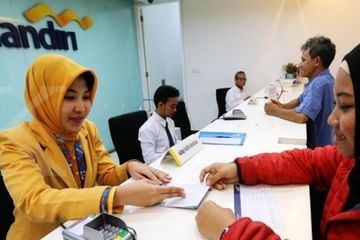
Take over kredit bank mandiri
1650s, "that which is taken," from take (v.). Sense of "money taken in" by a single performance, etc., is from 1931. Movie-making sense is recorded from 1927. Criminal sense of "money acquired by theft" is from 1888. The verb sense of "to cheat, defraud" is from 1920. On the take "amenable to bribery" is from 1930. late Old English tacan "to take, seize," from a Scandinavian source (such as Old Norse taka "take, grasp, lay hold," past tense tok, past participle tekinn; Swedish ta, past participle tagit), from Proto-Germanic *takan- (source also of Middle Low German tacken, Middle Dutch taken, Gothic tekan "to touch"), from Germanic root *tak- "to take," of uncertain origin, perhaps originally meaning "to touch." As the principal verb for "to take," it gradually replaced Middle English nimen, from Old English niman, from the usual West Germanic verb, *nemanan (source of German nehmen, Dutch nemen; see nimble). OED calls take "one of the elemental words of the language;" take up alone has 55 varieties of meaning in that dictionary's 2nd print edition. Basic sense is "to lay hold of," which evolved to "accept, receive" (as in take my advice) c. 1200; "absorb" (take a punch) c. 1200; "choose, select" (take the high road) late 13c.; "to make, obtain" (take a shower) late 14c.; "to become affected by" (take sick) c. 1300. Tak word-forming element meaning variously "above; highest; across; higher in power or authority; too much; above normal; outer; beyond in time, too long," from Old English ofer (from PIE root *uper "over"). Over and its Germanic relations were widely used as prefixes, and sometimes could be used with negative force. This is rare in Modern English, but compare Gothic ufarmunnon "to forget," ufar-swaran "to swear falsely;" Old English ofercræft "fraud." In some of its uses, moreover, over is a movable element, which can be prefixed at will to almost any verb or adjective of suitable sense, as freely as an adjective can be placed before a substantive or an adverb before an adjective. [OED] Among the old words not now existing are Old English oferlufu (Middle English oferlufe), literally "over-love," hence "excessive or immoderate love." Over- in Middle English also could carry a sense of "too little, below normal," as in over-lyght "of too little weight" (c. 1400), overlitel "too small" (mid-14c.), overshort, etc.
Take over kredit bank mandiri. "exaggerated reaction to surprise," 1922, from double (adj.) + take (n.). Originally in stage comedy acting. "financial institution," late 15c., originally "money-dealer's counter or shop," from either Old Italian banca or via French banque (itself from the Italian word), both meaning "table," from a Germanic source (such as Old High German bank "bench, moneylender's table"), from Proto-Germanic *bankiz- "shelf," *bankon- (see bank (n.2)). The etymonlogical notion is of the moneylender's exchange table. As "institution for receiving and lending money" from 1620s. In games of chance, "the sum of money held by the proprietor or one who plays against the rest," by 1720. Bank holiday is from 1871, though the tradition is as old as the Bank of England. To cry all the way to the bank was coined 1956 by U.S. pianist Liberace, after a Madison Square Garden concert that was panned by critics but packed with patrons. "to act as a banker," 1727, from bank (n.1). As "to deposit in a bank" from 1833. Figurative sense of "to rely on" (i.e. "to put money on") is from 1884, U.S. colloquial. Related: Banked; banking; bankable. 1580s, "to form a bank or slope or rise," from bank (n.2). Meaning "to rise in banks" is by 1870. That of "to ascend," as of an incline, is from 1892. In aeronautics, from 1911. Related: Banked; banking.
word-forming element meaning variously "above; highest; across; higher in power or authority; too much; above normal; outer; beyond in time, too long," from Old English ofer (from PIE root *uper "over"). Over and its Germanic relations were widely used as prefixes, and sometimes could be used with negative force. This is rare in Modern English, but compare Gothic ufarmunnon "to forget," ufar-swaran "to swear falsely;" Old English ofercræft "fraud." In some of its uses, moreover, over is a movable element, which can be prefixed at will to almost any verb or adjective of suitable sense, as freely as an adjective can be placed before a substantive or an adverb before an adjective. [OED] Among the old words not now existing are Old English oferlufu (Middle English oferlufe), literally "over-love," hence "excessive or immoderate love." Over- in Middle English also could carry a sense of "too little, below normal," as in over-lyght "of too little weight" (c. 1400), overlitel "too small" (mid-14c.), overshort, etc. late Old English tacan "to take, seize," from a Scandinavian source (such as Old Norse taka "take, grasp, lay hold," past tense tok, past participle tekinn; Swedish ta, past participle tagit), from Proto-Germanic *takan- (source also of Middle Low German tacken, Middle Dutch taken, Gothic tekan "to touch"), from Germanic root *tak- "to take," of uncertain origin, perhaps originally meaning "to touch." As the principal verb for "to take," it gradually replaced Middle English nimen, from Old English niman, from the usual West Germanic verb, *nemanan (source of German nehmen, Dutch nemen; see nimble). OED calls take "one of the elemental words of the language;" take up alone has 55 varieties of meaning in that dictionary's 2nd print edition. Basic sense is "to lay hold of," which evolved to "accept, receive" (as in take my advice) c. 1200; "absorb" (take a punch) c. 1200; "choose, select" (take the high road) late 13c.; "to make, obtain" (take a shower) late 14c.; "to become affected by" (take sick) c. 1300. Tak 1650s, "that which is taken," from take (v.). Sense of "money taken in" by a single performance, etc., is from 1931. Movie-making sense is recorded from 1927. Criminal sense of "money acquired by theft" is from 1888. The verb sense of "to cheat, defraud" is from 1920. On the take "amenable to bribery" is from 1930.
Pinjaman Bank Mandiri Bunga Rendah Cicilan Bisa 15 Tahun Take Over Kredit Motor Yang Terasa Berat Motorplus

Tulisan Pinjaman Online Syariah Cepat Cair Dengan Kartu Kredit Maupun Kta Online Ataupun Dengan Daftar Umkm Bri Di 2021

01101 Pdf

Terjual Take Over Kpr Bank Mandiri Kaskus

Cara Top Up Pinjaman Bank Mandiri Kpr Dan Multiguna
7 Pinjaman Bank Mandiri 2021 Beserta Syaratnya Panduan Bank

Syarat Take Over Kta Bank Mandiri Oper Kredit Dari Bank Lain Kta Bank 2021

Tabel Angsuran Kpr Bank Mandiri Syariah Bsm Terbaru November 2021 Dunia Perbankan
160

Contoh Surat Take Over Kredit Bank Contoh Surat

Over Kredit Rumah Melalui Bank Berikut Tipsnya Universal Bpr

Pengertian Take Over Kredit Dan Alasannya Lentera Bisnis
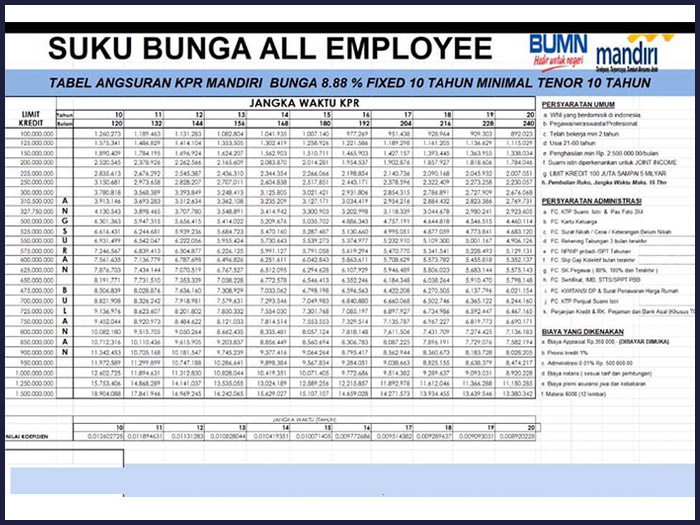
10 Tabel Angsuran Kpr Bank Mandiri 2021 Syarat Fitur Simulasi

Tabel Pinjaman Bank Mandiri 2021 Mangihin Com

Cara Take Over Kpr Rumah Ke Bank Syariah Mandiri

Mudah Dan Praktis Begini Cara Take Over Kpr Dari Bank Konvensional Ke Bank Syariah Rumah123 Com

Berapa Lama Proses Pencairan Pinjaman Bank Mandiri Bosduit Com 2021

Cara Take Over Pinjaman Kredit Kpr Bri Btn Bni Bca Mudah Murah
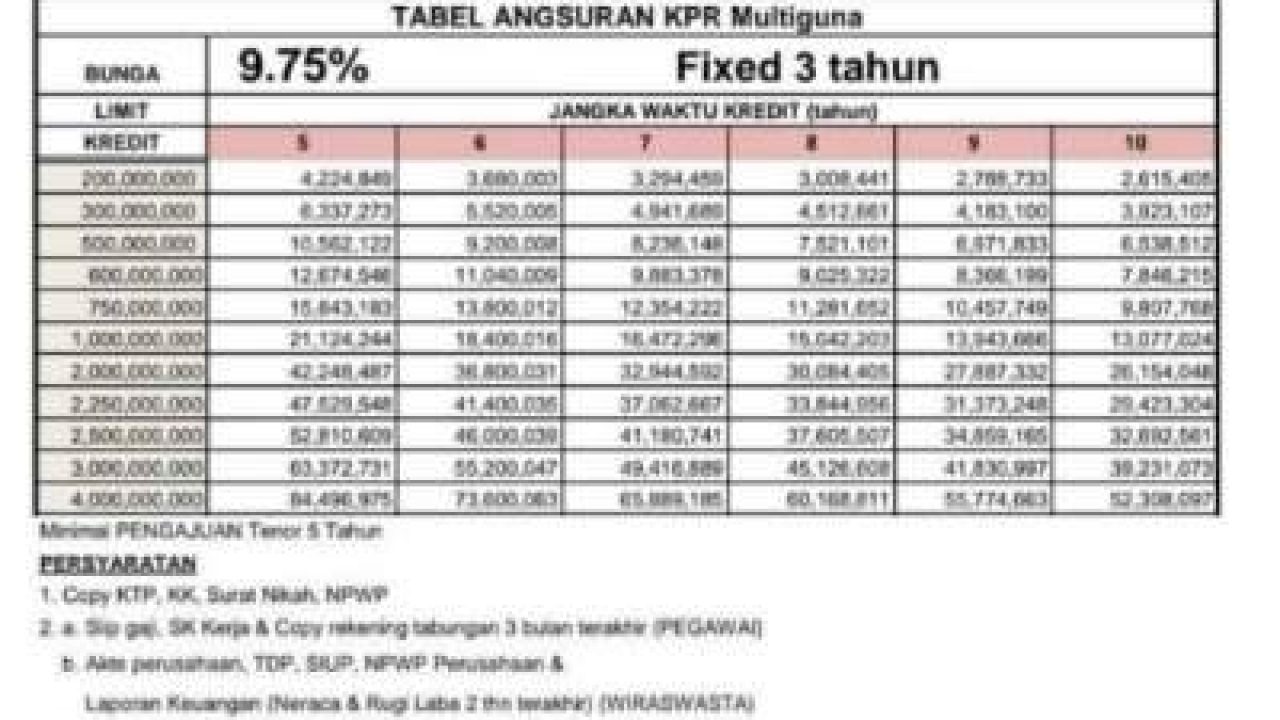
5 Tabel Pinjaman Bank Mandiri Kur Kum Ksm Multiguna

Surat Permohonan Take Over Kredit Bank

Bagaimana Cara Take Over Pinjaman Atau Kredit Secara Legal Dan Aman
Tabel Angsuran Kredit Pensiun Taspen Bank Mandiri
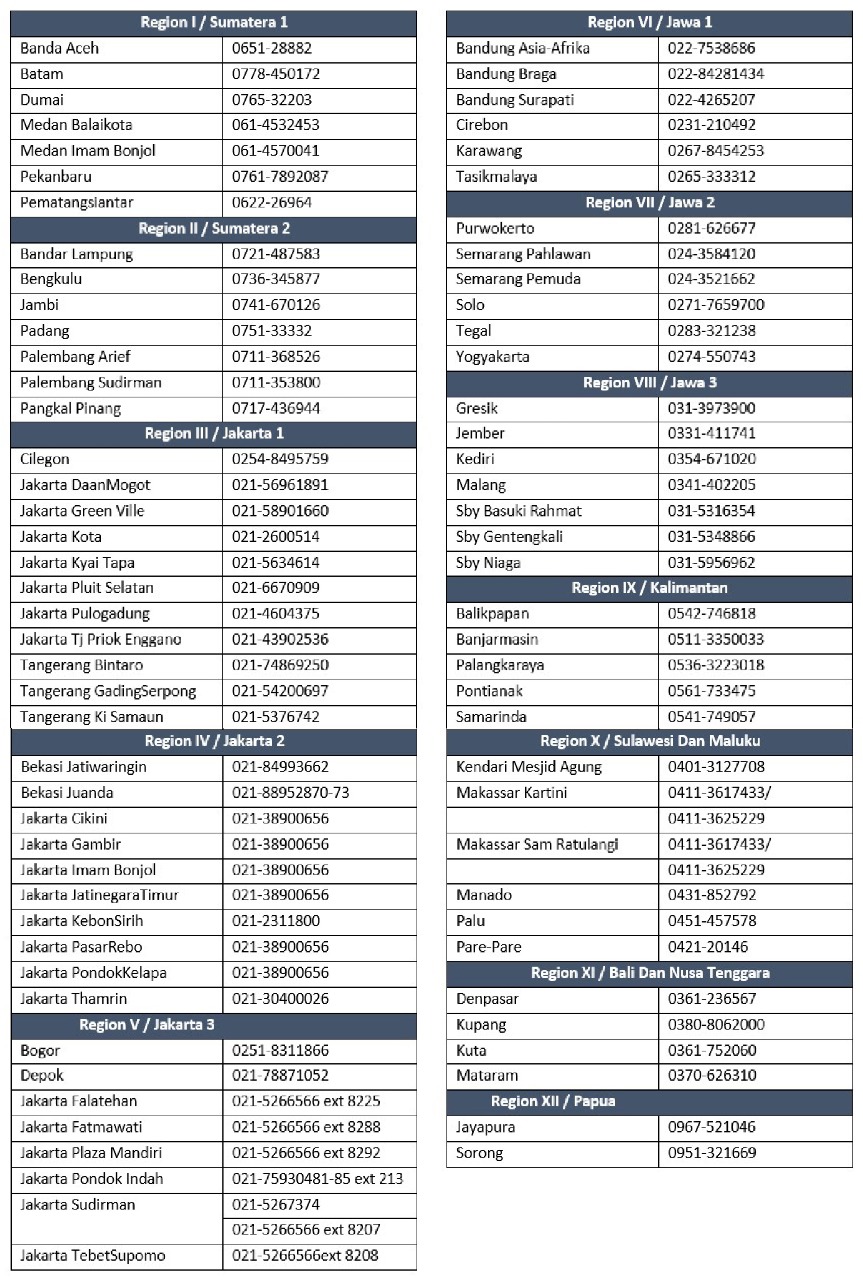
Kpr Take Over

Kodiklat Tni Ad

Keuntungan Take Over Kredit Mobil Di Tempat Kami Solusibiaya Com
Prosedur Take Over Kpr Yang Harus Anda Ketahui Simulasikredit Com
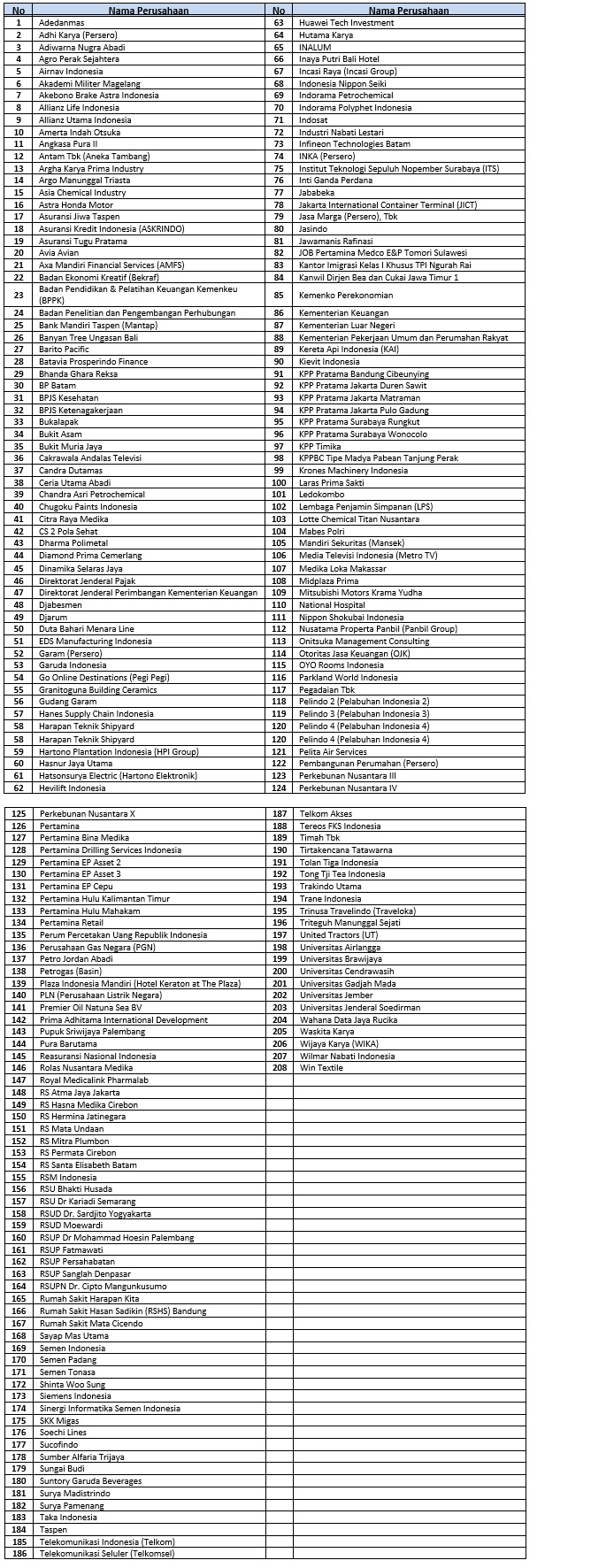
28 Bank Yang Bisa Take Over Kredit Info Dana Tunai

Kpr Take Over Bank Mandiri Over Kredit Rumah Pindah Kpr Cicilan Ringan Take Over Rumah Kta Mandiri

Daftar Bank Yang Bisa Take Over Kredit Macet Curhat Trader
Kpr
Mandiri Kpr Take Over Agunan Pilihan

Tabel Pinjaman Bank Mandiri Taspen Zonakeuangan Com
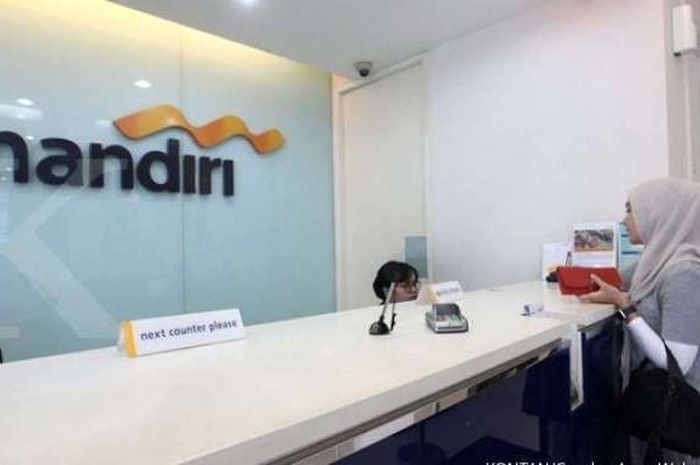
Kredit Motor Terasa Berat Take Over Dengan Pinjaman Bank Mandiri Bunga Rendah Cicilan Bisa 15 Tahun Motorplus

6 Bank Yang Menerima Take Over Kredit Macet Data Iptek
8 Bank Yang Menerima Take Over Kredit Macet Dengan Bunga Ringan

Over Kredit Bank Mandiri Trovit
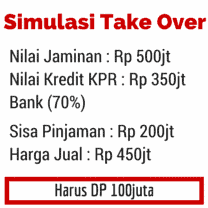
Cara Take Over Pinjaman Kredit Kpr Bri Btn Bni Bca Mudah Murah

Informasi Tabel Angsuran Kpr Bank Mandiri Syariah Bsm Desember 2021 Data Arsitek
0 Response to "38 take over kredit bank mandiri"
Post a Comment